Archives
- 2026-09
- 2026-08
- 2026-07
- 2026-06
- 2026-05
- 2026-04
- 2026-03
- 2026-02
- 2026-01
- 2025-12
- 2025-11
- 2025-10
- 2025-09
- 2025-04
- 2025-03
- 2025-02
- 2025-01
- 2024-12
- 2024-11
- 2024-10
- 2024-09
- 2024-08
- 2024-07
- 2024-06
- 2024-05
- 2024-04
- 2024-03
- 2024-02
- 2024-01
- 2023-12
- 2023-11
- 2023-10
- 2023-09
- 2023-08
- 2023-07
- 2023-06
- 2023-05
- 2023-04
- 2023-03
- 2023-02
- 2023-01
- 2022-12
- 2022-11
- 2022-10
- 2022-09
- 2022-08
- 2022-07
- 2022-06
- 2022-05
- 2022-04
- 2022-03
- 2022-02
- 2022-01
-
Because HIV does not infect neurons
2022-01-13
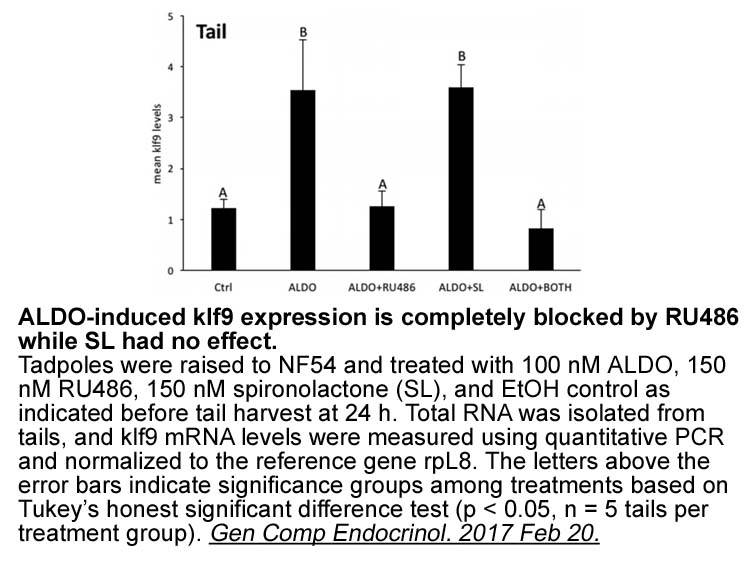
Because HIV does not infect neurons, the neurotoxicity in HAND is thought to result from the neuroinflammation evoked by the release of viral proteins and cytokines from infected microglia and macrophages (Ellis et al., 2007; Saylor et al., 2016). Viral tropism is determined by gp120 binding to CD4
-
A general synthesis of the tetrazole is shown
2022-01-13
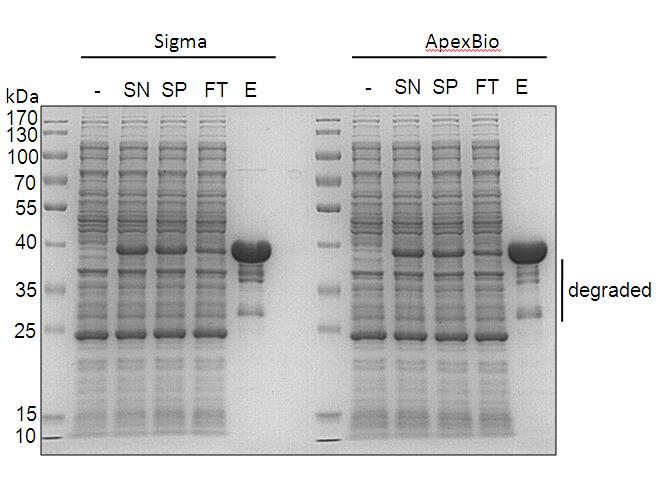
A general synthesis of the tetrazole is shown in . First, a magnesium-halogen exchange reaction quenched with DMF afforded benzo[]thiophene-5-carbaldehyde , which was further decorated with a bromine at the 3-position (). A Suzuki reaction with -tolylboronic biotin 100 mg followed by reduction of
-
Neratinib Furthermore we argued that an inability to encode
2022-01-13
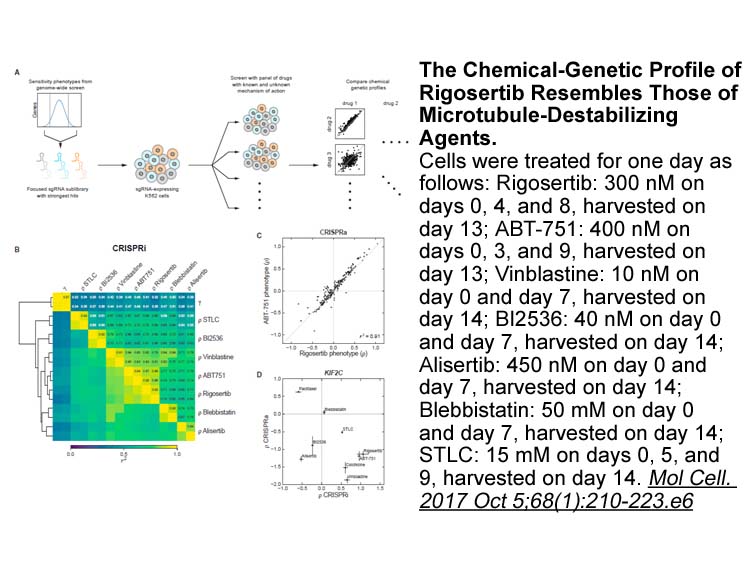
Furthermore, we argued that an inability to encode or monitor the temporal sequence of events or episodes in order to discriminate between other similar or related events (encoding what-happened-when) could result in an increased susceptibility to proactive interference and, thus, in principle expla
-
Apoptosis a form of programmed cell death is
2022-01-12

Apoptosis, a form of programmed cell death, is a critical component in maintaining homeostasis and growth in all tissues and plays a significant role in immunity and cytotoxicity [54,55]. Although GR are expressed in all immune cells, the physiological outcomes of GR activation are highly cell type-
-
Loxapine Succinate Xenobiotic metabolizing enzymes are class
2022-01-12
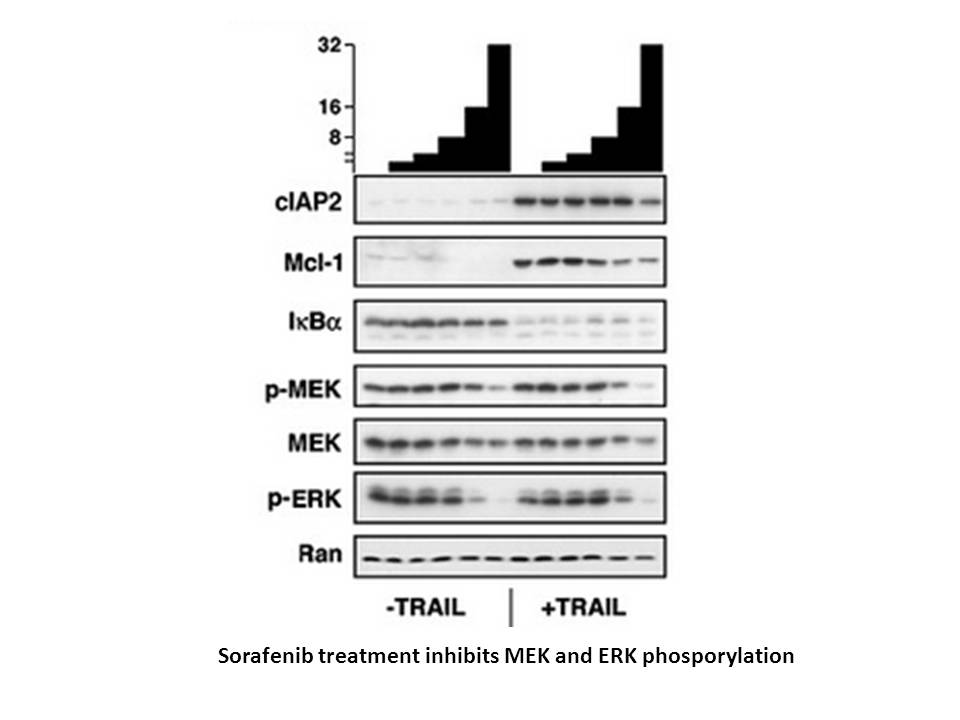
Xenobiotic metabolizing enzymes are classified as being phase I, phase II and transporter enzymes, with phase I enzymes metabolizing lipophyllic xenobiotics to make them more polar so that the phase II enzymes can perform the necessary conjugation reactions that afford elimination. Although the phas
-
In the present studies we
2022-01-12
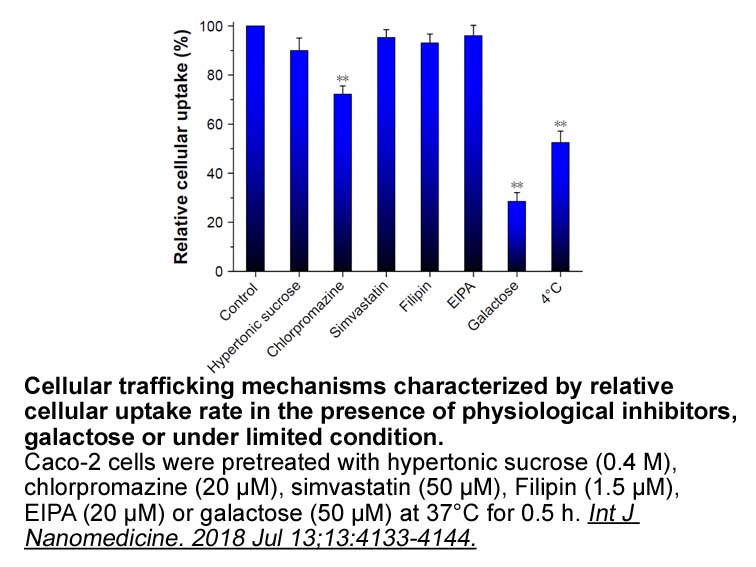
In the present studies, we found that genistein did not antagonize fMLF-induced Ca2+ mobilization in FPR1-HL60 Kif15-IN-1 and human neutrophils. Thus, the previously reported inhibitory effect of genistein on fMLF-stimulated degranulation, aggregation, and reactive oxygen species (ROS) production i
-
The F P concentration reported for a resting
2022-01-12
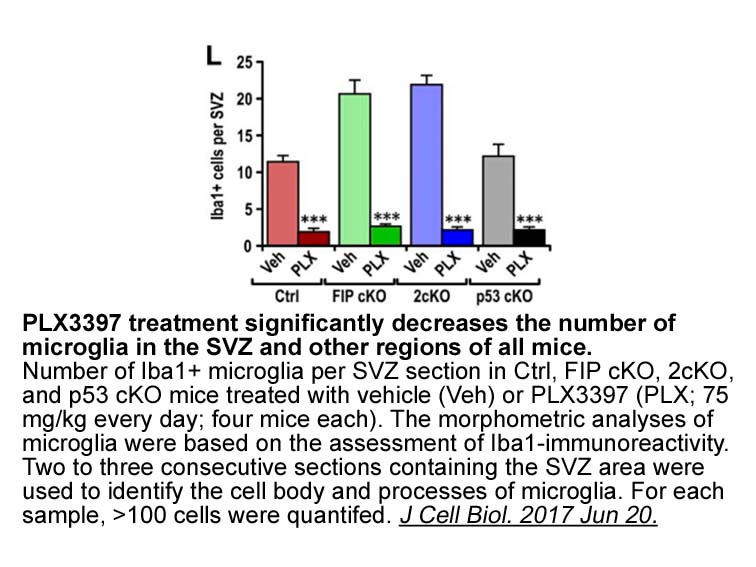
The F6-P concentration reported for a resting rabbit muscle [20] reduced the KAapp for aldolase–FBPase complex more than 50 times compared to KAapp for aldolase–FBPase in the absence of effectors (Fig. 1b and Table 1). A standard assay for determination of FBPase activity in a complex with aldolase
-
WT associated protein WTAP a nuclear protein is first
2022-01-12
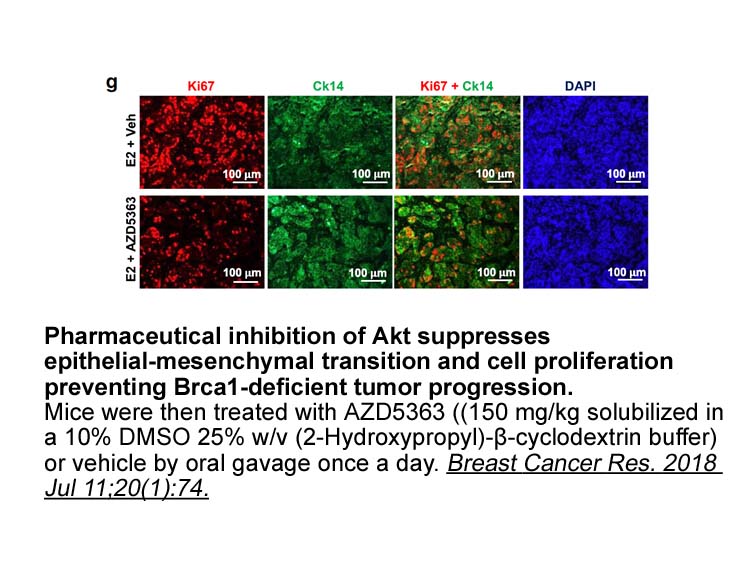
WT1 associated protein (WTAP), a nuclear protein, is first identified by Little [6] who noticed its specific interaction with WT1. Besides several essential physiological processes, such as mRNA stabilization [7], eye development [8], m6A methylation [9], mRNA alternative splicing [10] and Genipin
-
More specific quantitative assays for DiXaIs are based on th
2022-01-12
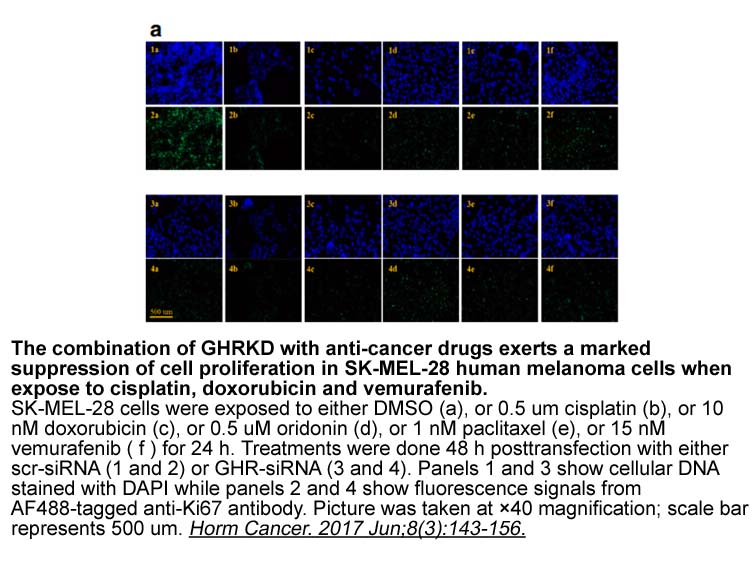
More specific quantitative assays for DiXaIs are based on the inhibition of chromogenic or clotting activity of Factor Xa. During drug development, Kubitza developed an endogenous Anti-Factor Xa assay [45], which is very sensitive to Rivaroxaban drug concentration. This assay was based on Factor Xa
-
Introduction Pneumocystis pneumonia PCP is a respiratory
2022-01-12

Introduction Pneumocystis pneumonia (PCP) is a respiratory invasive infection caused by Pneumocystis jirovecii, an ubiquitous fungus. It is transmitted by air and mostly infects immunocompromised patients. PCP is characterized by respiratory complaints of cough, dyspnea, but also tachycardia, low g
-
There have been a few
2022-01-12
There have been a few studies investigating the effects of histamine on mast cells but the majority of these has been on rodent and cultured mast cells (Hofstra et al., 2003, Lippert et al., 2004, Jemima et al., 2014). How representative these systems are of primary human cells is a moot point since
-
br Acknowledgments Authors are thankful to the participants
2022-01-12
Acknowledgments Authors are thankful to the participants of the study for their cooperation. Financial support from Higher Education Commission (HEC) of Pakistan is highly acknowledged. AZ is supported by indigenous PhD fellowship from HEC. Indigenous PhD Fellowship for 5k Scholars batch 2 PIN NO
-
The GSTP promoter region in PCA cells without or
2022-01-12
The GSTP1 promoter region in PCA cells without or with reduced GSTP1 mRNA expression had a different histone modification pattern than BPH-1 cells with GSTP1 mRNA expression: the repressive histone modifications H3K9me3/H3K27me2 were distinctly increased and H3K27me3/H3K9me2 were slightly decreased
-
br Declaration of interest br Acknowledgments br This
2022-01-12

Declaration of interest Acknowledgments This work was supported by grants from the Polish National Science Centre (PRELUDIUM grant no. 2013/11/N/NZ5/00270) and the European Commission FP7 Project Beta-JUDO (grant number 279 153), European Union EIT Health project DeTecT2D, Swedish Diabetes A
-
Biochemical assays have provided evidence that prolonged exp
2022-01-12
Biochemical assays have provided evidence that prolonged exposure to GPR35 agonists can induce GPR35 internalization [2], [4], [11], [13]. Our finding that neuronal excitability decreased regardless of whether the slices were superfused for a few minutes or incubated for a few hours with GPR35 agoni
8633 records 569/576 page Previous Next First page 上5页 566567568569570 下5页 Last page